Phage-steering permits antibody-mediated clearance of E. coli K1 from the gut
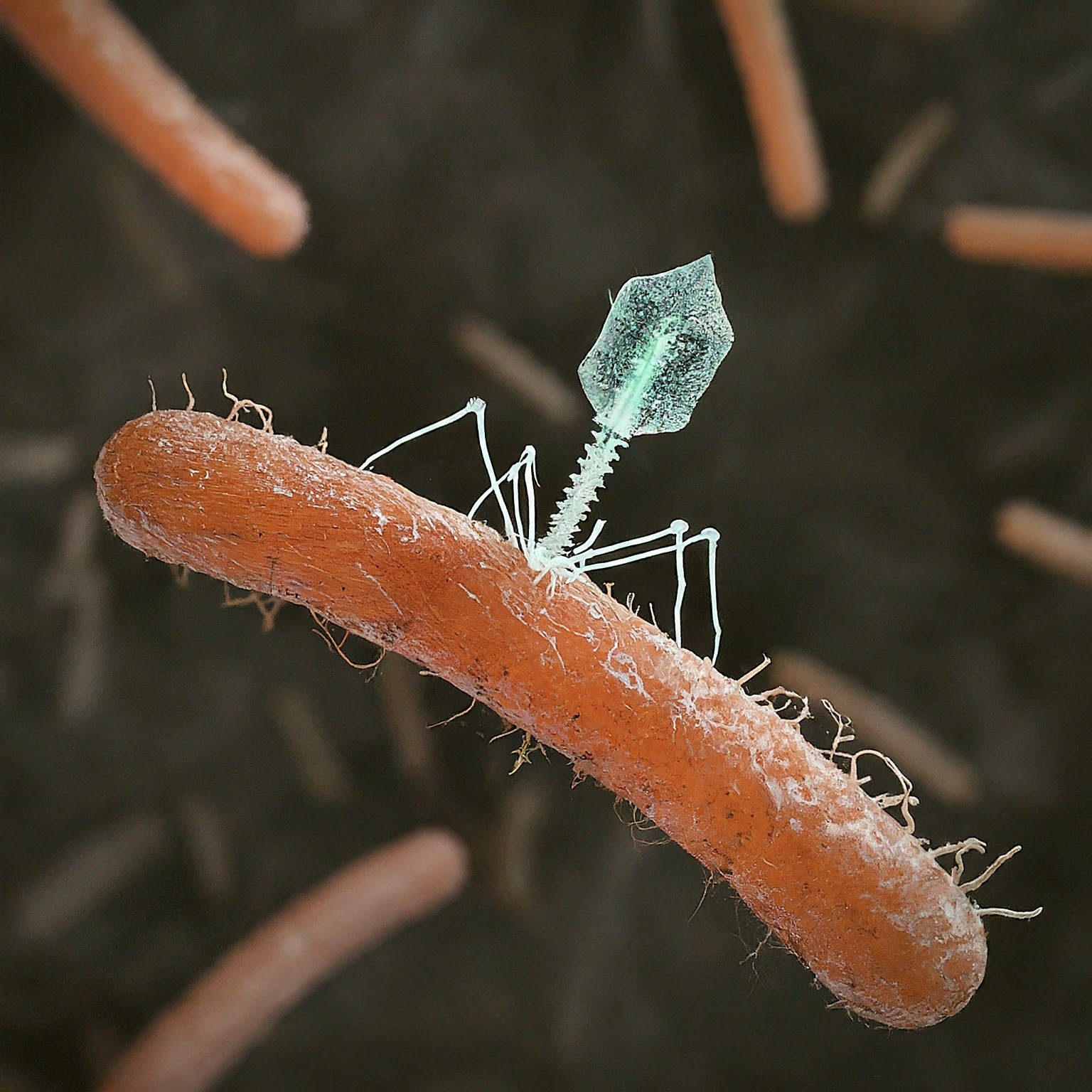
Abstract: Escherichia coli (E. coli) strains expressing the capsule serotype K1 (E. coli K1) are a prevalent cause of neonatal sepsis and meningitis. The gut microbiota of healthy adults is a natural reservoir of E. coli K1, from which it can spread to extra-intestinal sites or be transmitted from mother to infant during birth. Accordingly, shifting gut colonization from potentially pathogenic E. coli strains to more benign strains could reduce the risk of disease. Here, we leverage selective pressures exerted by bacteriophage and mucosal antibodies to limit gut colonization by E. coli K1 and prevent its transmission. K1-specific bacteriophages (phages) rapidly drive a within-host evolution of capsule-less mutants with exposed surface O-antigens. These mutants become susceptible to vaccine-induced intestinal IgA targeting the bacterial O-antigen, allowing competitive exclusion by the probiotic strain E. coli Nissle. In a murine vertical transmission model, 77% of pups were protected from transmission of E. coli K1 when the mother was vaccinated and treated with phages, whereas E. coli K1 was detected in most pups by day 10 of life when the mother received vaccination or phage therapy alone. Although the high diversity of E. coli makes generalization challenging, combining vaccination with phage-steering represents a promising approach for further exploration in eliminating infectious reservoirs.
Read here: https://www.nature.com/articles/s41467-026-70808-2
 PHAGElogist