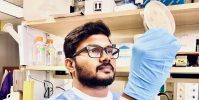
My research is driven by an unwavering passion for the captivating world of bacteriophages, delving deep into their biology, evolution, and groundbreaking therapeutic applications. With a particular fascination for single-stranded RNA (ssRNA) phages and their astonishing single-gene lysis (Sgl) systems, I passionately explore how phage-encoded lysis proteins can disrupt the very foundations of bacterial cell wall synthesis pathways. This quest not only reveals novel antimicrobial mechanisms but also paves the way for the development of potential “protein antibiotics.” Through the exciting interplay of phage engineering, molecular microbiology, metagenome mining, microbial genomics, and computational biology, I am committed to discovering, synthesising and characterizing new phages and lysis genes from the vast array of diverse environments that our planet offers. Tackling the urgent global challenge of antibiotic resistance is a major goal of my research, where I strive to innovate phage-based therapeutics, engineered lysis proteins, and revolutionary phage-antibiotic combination strategies. By harnessing both experimental and computational approaches, I aim to unearth the fundamental principles of phage-host interactions and passionately translate these discoveries into the next generation of antimicrobial solutions that can transform lives.


ssRNA phage &
Single-Gene Lysis protein
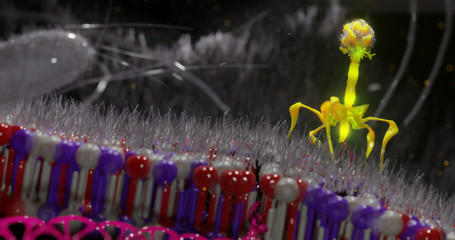
“DISCOVERY IS THE WAY” – ssRNA phages have been largely ignored by phage scientists. There is a lack of understanding regarding the diversity, host range and evolution of ssRNA phages. These small viruses, measuring less than 40 nm and with a genome of 3.2-4.5 kb, have only four genes, one of which encodes a lysis protein. The lysis protein is named SGL (Single-Gene Lysis). Also using metagenomic mining to identify sgl’s in metatranscriptomics data from around the globe. Exploring the targets of these SGLs in the peptidoglycan pathway may lead to the discovery of ‘new protein antibiotics’.
Phage Biology & Engineering
My research focuses on bacteriophages, which are highly abundant on Earth and have the potential to combat bacterial infections. Specifically, it is dedicated to identifying phages that infect a wide range of host species and to uncovering their diversity. I have published several papers discussing various aspects of phage biology, including their morphology, genetics & genomics, and phage-antibiotic synergy. One of my main interests lies in understanding the functions of phage proteins and exploring their anti-biofilm potential (dual-species biofilms). Moreover, I am actively designing combinations of phages (cocktails) to kill multi-bacterial infections. Currently investigating the phage receptors of Chi-like flagellotropic phages.

Phage Lysis System
“ONLY WAY OUT IS THROUGH” – Any dsDNA bacteriophage uses a combination of genes, called a multi-gene lysis system, to break open each layer in the bacterial membrane to escape the cell. These genes include holin, endolysin, and spanin (up to seven genes are known to control lysis), which effectively break down and destroy the different layers in the bacterial cell (from within). My research uses single-cell imaging to monitor the multi-gene lysis. The combinations of genes may be holin (-antiholin), endolysin and i/o-spanin [or] pin-holin, SAR-endolysin and u-spanin. The interest is also towards identifying the functional endolysins (late genes) in phage genomes and to differentiate them from other LPS-degrading enzymes (early genes).
Spinning Bug Model

Phage Therapy
Antibiotic resistance is a major healthcare problem, with a projected 10 million deaths by 2050. It emphasizes the need for thorough monitoring and exploration of alternative treatments, such as the use of live bacteriophages to treat antibiotic-resistant bacterial infections. The research involves developing phage banks to study, store, and distribute therapeutic phages, as well as designing phage cocktails to eliminate bacterial infections.
Phages are “medicines that grow” – Ryland F. Young, Scientist
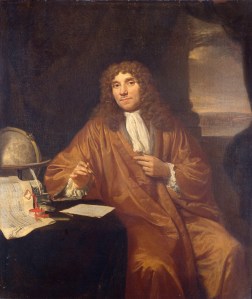
Antonie Philips van Leeuwenhoek (1632-1723) – FATHER of Microbiology 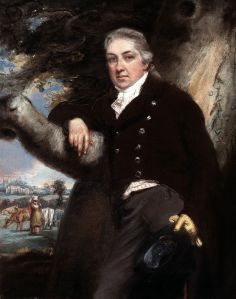
Edward Jenner (1749-1823) – FATHER of Immunology 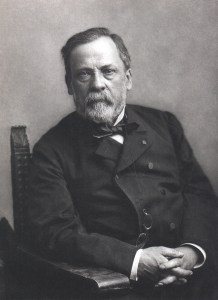
Louis Pasteur (1822-1895) – FATHER of Modern Microbiology 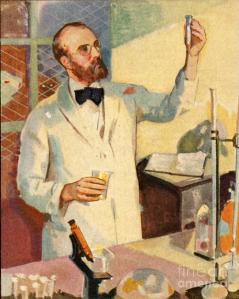
Heinrich Hermann Robert Koch (1843-1910) – FATHER of Modern Microbiology 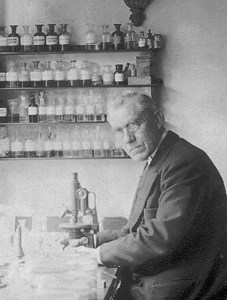
Martinus Willem Beijerinck (1851-1931) – FATHER of Virology 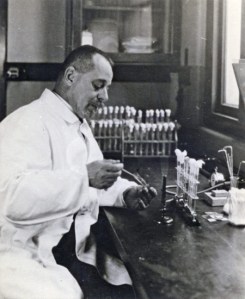
Félix Hubert d’Herelle (1873–1949) – FATHER of Bacteriophage (Discovery) 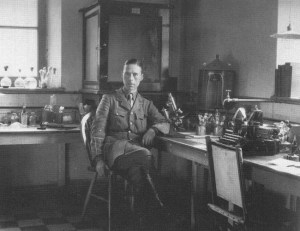
Frederick William Twort (1877-1950) – FATHER of Bacteriophage (Discovery) 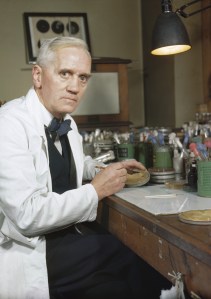
Sir Alexander Fleming (1881 – 1955) – FATHER of Antibiotics (Penicillin discovery) 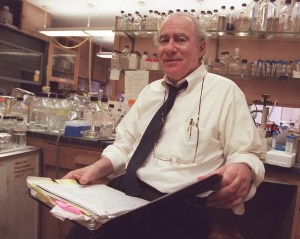
Norton David Zinder (1928 – 2012) – FATHER of RNA phage

