
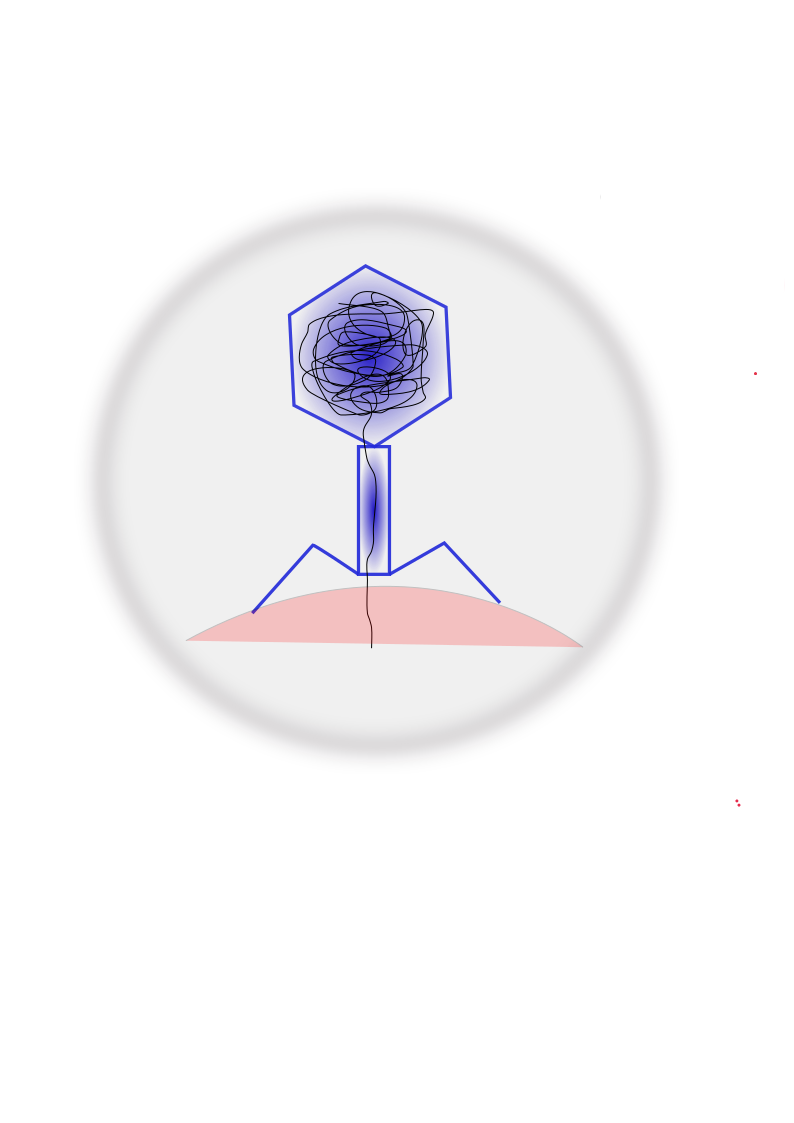
A recent study shows the importance of immune response during phage administration.
Summary:
In this study, a mouse model was developed to evaluate phage treatment targeting Vancomycin-Resistant Enterococcus gut colonization using a cocktail of five phages from the Myoviridae and Siphoviridae families. The results show that phage treatment effectively reduces fecal bacterial loads of Vancomycin-Resistant Enterococcus. It was observed that the immune response elicited by the phage cocktail plays a significant role in its effectiveness. While minimal innate responses were noted after phage administration, subsequent treatment rounds induced phage-specific neutralizing antibodies and accelerated phage clearance from tissues. Notably, the myophages in the cocktail triggered a more robust neutralizing antibody response compared to the siphophages. This anti-phage immunity ultimately reduces the effectiveness of the phage cocktail in the murine model. The findings indicate that phage-specific immune responses should be carefully considered in the development of phage cocktails for therapeutic purposes.
 PHAGElogist